
Coxa Valga and Incomplete Ischiums
Aug 15, 2026
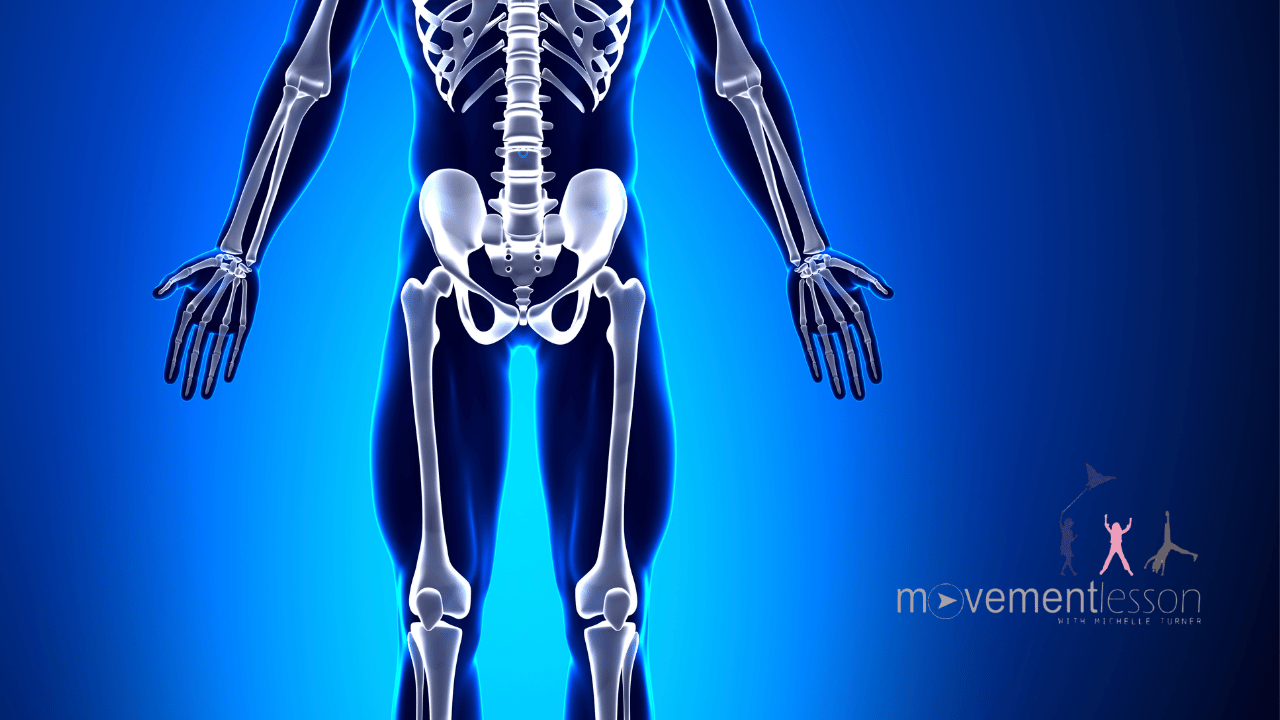
How Coxa Valga and Incomplete Ischiums Can Impact Development in Toddlers
Coxa valga and incomplete ischiums are two relatively rare skeletal conditions that can affect toddlers' development,primarily impacting motor skills, posture, and potentially long-term growth. Here's a breakdown of their individual and combined potential consequences:
Coxa Valga:
-
Definition: Abnormal widening of the angle between the femur (thigh bone) and the acetabulum (socket in the pelvis where the femur joins).
-
Impact on Development:Crawling and Walking: transitioning skills are key to all developmental milestones. Straight legs cause difficulties of getting in and out of positions, especially from off the floor. Your child's gait, difficulty with balance and coordination due to instability in the hip joint not supporting the pelvis and its movements.
Pain and Discomfort: At Movement Lesson™, parents and professionals are taught if a child finds a movement difficult or uncomfortable, they will avoid or find a deviation in the movement and/or milestone. There is an Increased risk of hip pain, particularly during activities like prolonged floor sitting or locomotion found in crawling or walking.
Skeletal Development: In severe cases, may affect the alignment of the spine and pelvis, leading to posture issues like lordosis (excessive inward curve of the lower back). Submit the X-ray for Michelle Turner's Hip Review for a detailed understanding on how your child's movement patterns need help or require redirection.
Incomplete Ischiums:
-
Definition: Partial or complete absence of the ischium bones, which form the lower and back portion of the pelvis.
-
Impact on Development:Seating and Stability: Difficulty sitting upright due to lack of support from the ischium bones to create a pubic bone strike in milestone development.
Muscle Weakness: May cause the inability for proper weight shifting and transitioning skills for milestone production. Potential weakness in hip muscles due to abnormal support structure.
Pain and Discomfort: In severe cases, pain during sitting or activities that put pressure on the pelvis. Using an under inflated cushion can help with transitioning or prolonged sitting.
Combined Impact:
When coxa valga and incomplete ischiums occur together, the developmental challenges can be compounded:
-
Increased Instability: The combination of a wider hip angle and weaker pelvic support can further reduce stability,leading to greater difficulty with a child going from horizontal milestones to vertical or locomotion aspects of development.
-
Delayed Motor Skills: Toddlers with these conditions may reach motor skill milestones like walking and climbing stairs later than their peers. Without proper integration, a child my suffer with developmental to global delays due more to structure than cognitive influences. Taking the milestone to a can't versus a doesn't know how.
-
Pain and Reduced Activity: Pain, discomfort, and fatigue can limit a toddler's activity level, potentially impacting their overall development and social interaction.
Early Intervention is Key:
It's important to emphasize that early diagnosis and intervention are crucial for minimizing the impact of coxa valga and incomplete ischiums on toddlers' development. Movement Lesson might have to be integrated with bracing, or in rare cases, surgery, can help improve hip stability, weight transfer and transitional skills in the skeletal system, muscles responses, and manage pain. Additionally, providing supportive equipment like adaptive seating and orthotics can allow toddlers to participate in activities more comfortably.
Remember:
-
This is a general overview, and the specific impact of these conditions can vary depending on the severity and individual child.
-
Consulting with a pediatric orthopedic specialist is essential for accurate diagnosis and appropriate treatment recommendations. Movement Lesson allows for the integration of optimal development.
I hope this explanation provides a clear understanding of how coxa valga and incomplete ischiums can affect development in toddlers. Always prioritize seeking professional medical advice for any concerns about your child's health and development.