
Developmental Performance Review — Youth Pitcher

Pitching - 7 years old
This evaluation is not about correcting a child’s style or labeling faults. It is about identifying early force patterns that may limit long-term growth if left unrefined. At this stage, many young pitchers rely on lift rather than pelvic load transfer, drop the stride foot rather than shifting weight through the midline, or compensate visually rather than stabilizing through structured rotation. These are not failures — they are developmental shortcuts. Our goal is to help the athlete grow into their natural style with stronger force organization, improved balance through the lower half, and more efficient rotation sequencing. By refining how the pelvis, spine, and breath coordinate during the delivery, we support durability, control, and scalability — so the athlete’s movement matures with their body rather than being rebuilt later under injury pressure.
The Breakdown
The Eye Closing
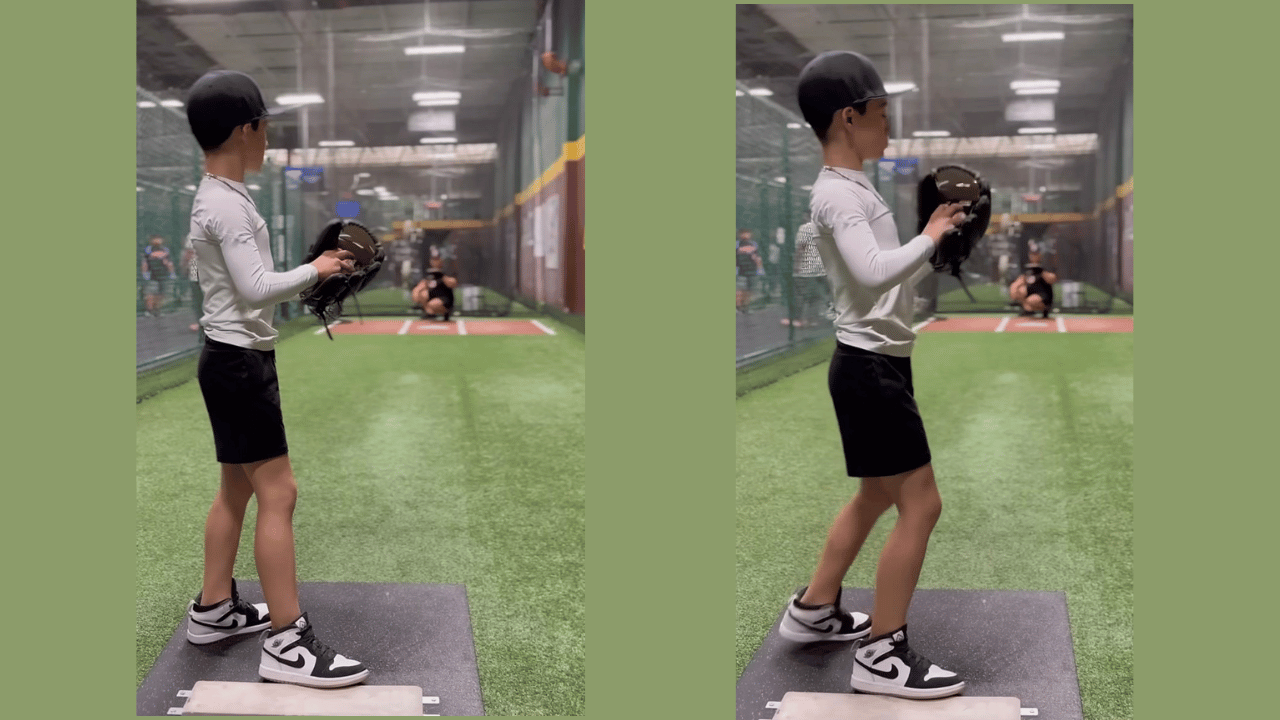
This is extremely interesting. When he closes his eyes during lift, he is:
- Reducing visual distortion
- Switching to memorized motor sequencing
- Avoiding dynamic vestibular negotiation
In other words, he’s stabilizing by subtraction. That’s an adaptive compression strategy.
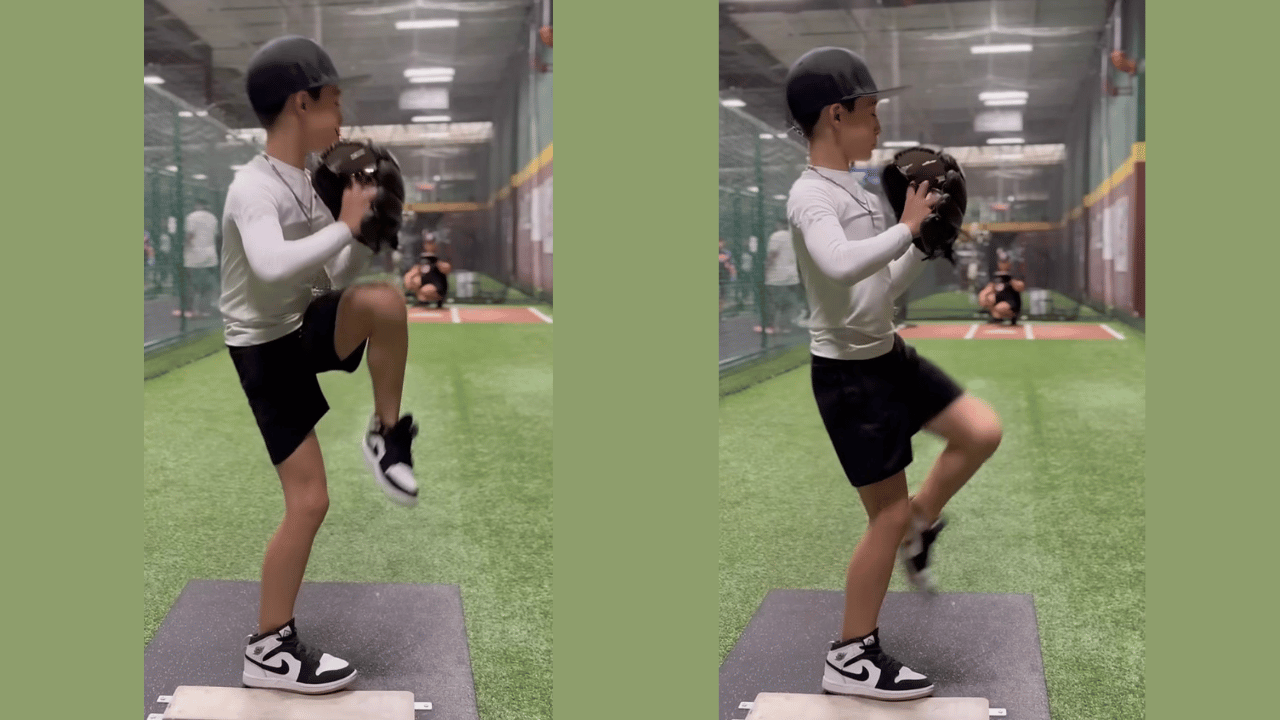
Healthy kids do this when they:
- Don’t fully trust their midline under rotation
- Haven’t integrated visual-vestibular coupling under load
He’s not unstable. He’s managing instability by narrowing sensory bandwidth.
That’s sophisticated — but limiting.
Pitching Technique Pre-Injuries
Where The Injury Risk Will Eventually Show. If this pattern continues as velocity increases:
- Hip flexor overdrive
- Reduced pelvic spiral
- Late torso rotation
- Arm acceleration compensates
- Elbow/shoulder torque increases
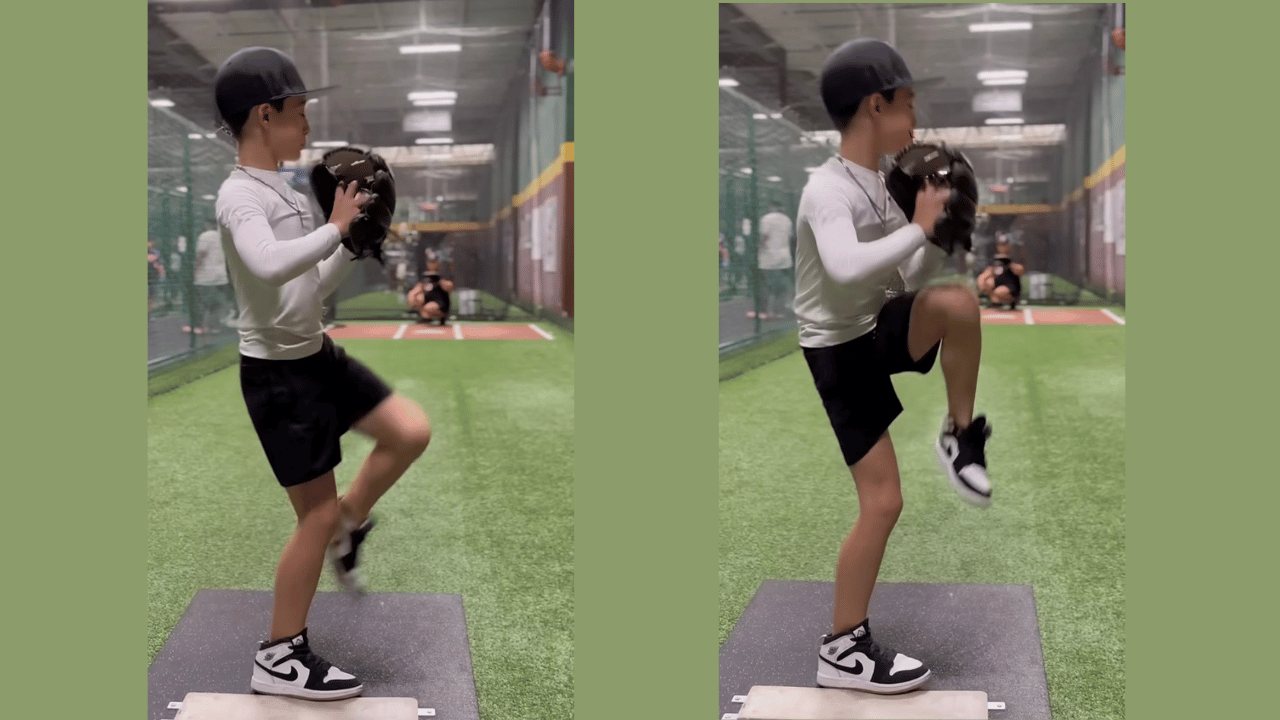
This is exactly how young pitchers get hurt. Not because they’re weak. Because they lift instead of sink.
Now, let’s Tie It To Your Collapse Order. If horizontal gravity opposition isn’t integrated early, vertical milestones get delayed or compensated.
In an athlete, if the stance leg cannot negotiate a horizontal load, vertical lift becomes muscular.
Click HERE to learn more about Movement Lesson!