
Feeding: Why the jaw matters for head movement
Mar 21, 2026
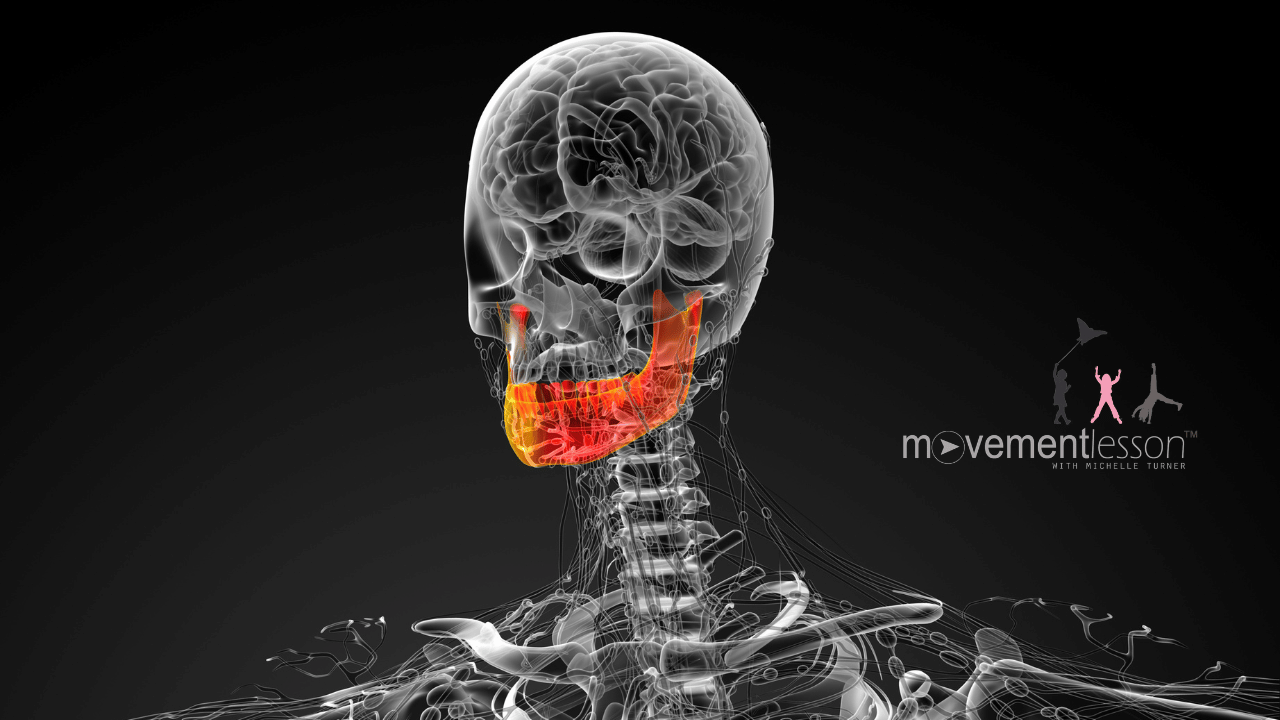
The lower jaw (mandible) connects functionally with several important structures:
-
Atlas (C1 vertebra) – the first vertebra that allows the head to nod and balance
-
Occipital bone – the base of the skull
-
Mastoid process – behind the ear, where neck muscles attach
-
facial bones such as the Zygomatic bone
When babies lift or rotate their heads, the jaw and these structures coordinate together. Early pressure experiences (like tummy time) help the nervous system learn how these pieces move relative to each other.

What is happening in this position
In the photo, the child is lying comfortably while I am gently contacting the mandible (lower jaw) and the upper chest and neck. My hand placement suggests you are encouraging two things at the same time:
 Small compression through the jaw
 Rotation of the head around the jaw
The jaw becomes a kind of stable reference point, while the skull and neck learn to move around it.
Jaw stability and rotation
An important sequence:
1. Jaw organizes →
2. Head rotates around the jaw →
3. Vision and body rotation follow
2. Head rotates around the jaw →
3. Vision and body rotation follow
This relationship becomes important later in movements like:
-
rolling
-
sitting transitions
-
crawling
-
spinning and turning
-
coordinated eye movement
The head needs to rotate freely while the jaw stays stable; otherwise, many movements become harder.
Why tone differences can affect this
In some children with conditions affecting muscle tone or connective tissue, the jaw may appear more relaxed or open. That can make it harder for the system to stabilize the head and coordinate facial and neck movements.
In those cases, gentle contact around the jaw and base of the skull may help the nervous system notice where the jaw and head are in space.
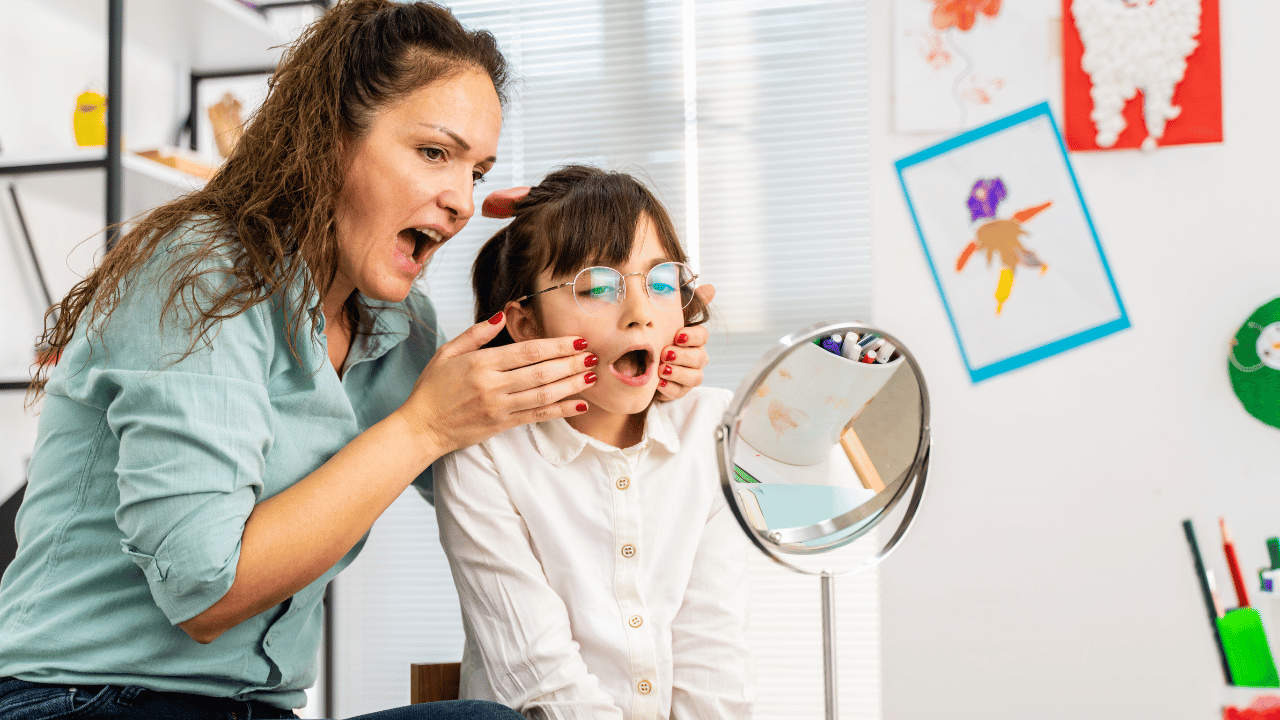
Jaw movement and speech
For speech development, the tongue needs a stable base.
Two important movements occur:
-
Tongue lowering for sounds and feeding patterns
-
Tongue elevation for other speech sounds
Both rely on the jaw being able to move and stabilize appropriately. If the jaw cannot move or stabilize well, the tongue has a harder time navigating inside the mouth.
Why rotation matters developmentally
As children grow, the body eventually needs to move in many directions, not just forward and backward. Rotation becomes part of:
-
rolling
-
sitting transitions
-
crawling
-
turning the head and eyes
-
coordinated body movement
These are all ways the body learns to navigate gravity in multiple directions.
What we are introducing to the child:
-
gentle jaw stabilization
-
small rotational head movements
-
awareness of how the face and skull move together
These experiences can help the nervous system build better coordination between the jaw, neck, and head.