Why We Lean Forward When We Eat
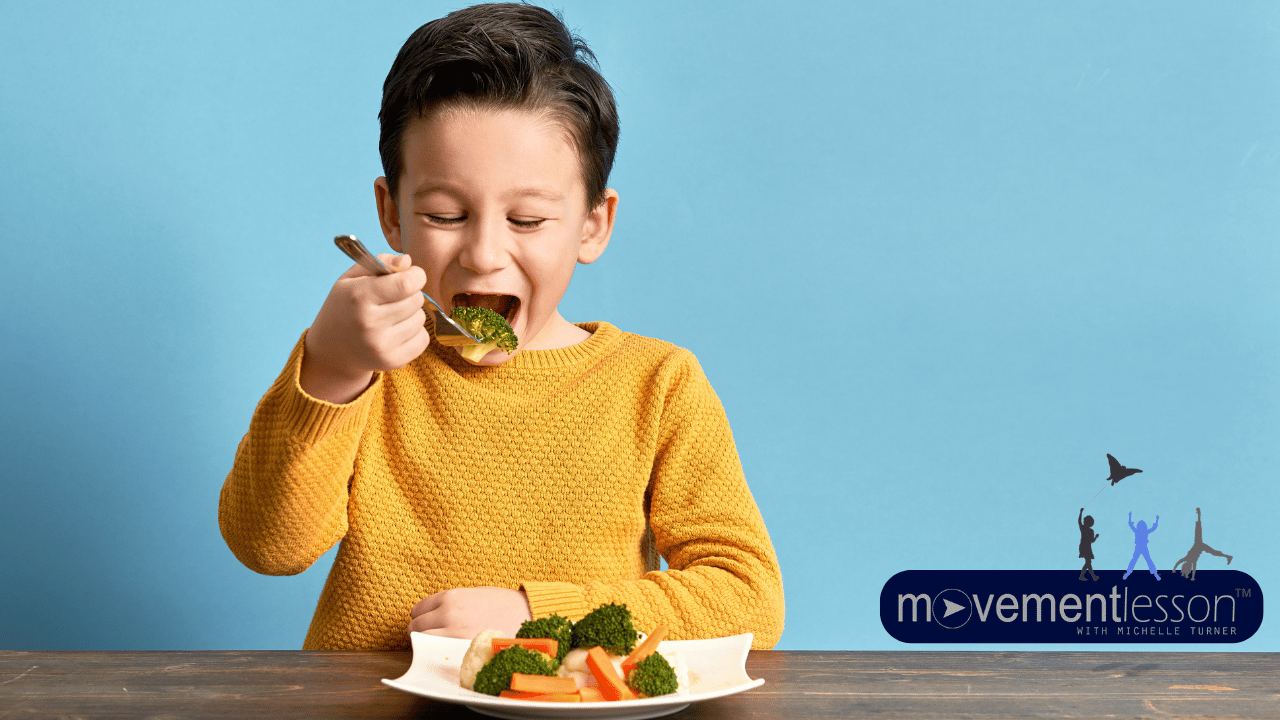
Most humans naturally move toward food, not away from it.
When we eat, our body usually does a small sequence:
 Pelvis tilts slightly forward
 Pubic bone moves toward the table
 The trunk lengthens and stabilizes
 The head and jaw move forward to meet the food
This forward organization helps with:
- swallowing
- tongue movement
- jaw control
- managing the food bolus
Gravity actually assists swallowing when we are slightly forward.
It's like the body being on a small swing. The pelvis organizes first, then the upper body follows.
Why tube-fed or medically complex children often lean back:
Children who have had G-tubes or NG tubes sometimes develop the opposite pattern.
Their nervous system may associate the mouth or throat with:
- discomfort
- gagging
- tubes
- medical procedures
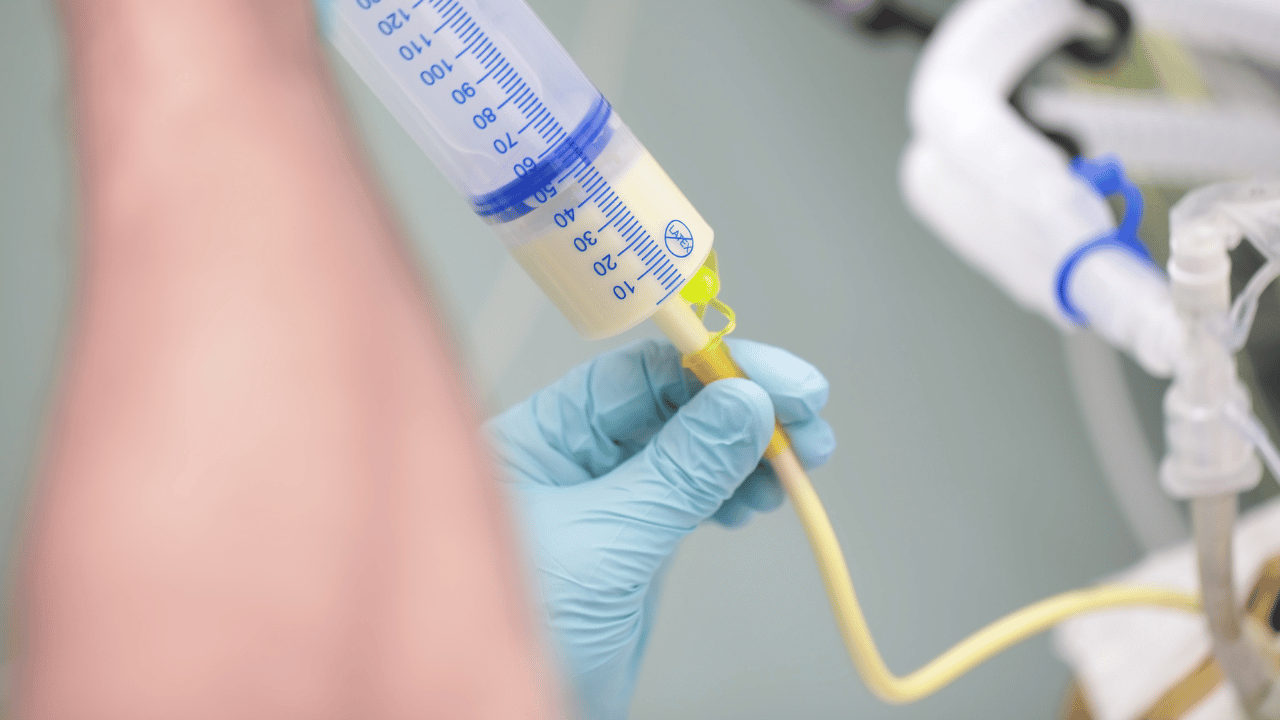
So instead of leaning toward the stimulus, the body protects itself by leaning away.
This creates a posture like:
- pelvis tucked under
- trunk leaning back
- head pulled away
When that happens, swallowing becomes harder because:
- the tongue has less space to move
- the throat muscles work against gravity
- the jaw cannot organize as easily
It's a protective pattern, not something the child is choosing consciously.
Why this makes bolus control harder
When posture is backward:
- the tongue must push the food uphill
- the jaw may lose stability
- the throat muscles have to compensate
For a child without mature compensatory strategies, they do the best they can with the posture they have.
They aren't thinking: "I should lean forward to swallow better." They are simply responding to what their body has learned.
What you're helping the child experience with Movement Lesson is introducing a different body organization:
- pelvis available
- trunk organized
- head supported
- jaw free to move
Once the body feels that organization, feeding often becomes easier rather than forced. Children often improve because the system identifies a posture in which swallowing works better.
Children often feed best when their body can organize toward the activity, not away from it.
Small shifts in posture — especially around the pelvis and trunk — can make swallowing and eating much easier because the body is working with gravity instead of against it.
Learn more about Movement Lesson - Help your child, click HERE!