
Movement Lesson: Perception, Not Posture.
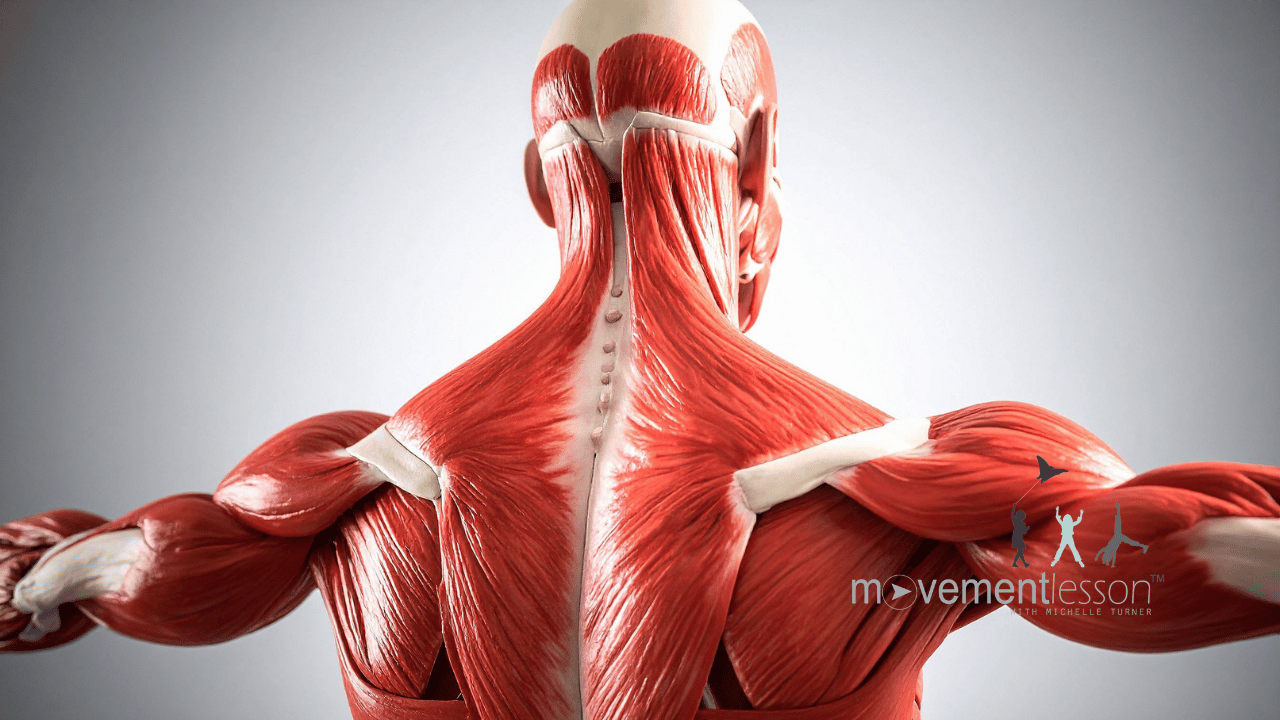
Today’s Movement Lesson Class Wasn’t About Posture. It Was About Perception.
Most people learn the body in steps:
Step 1. Sit up straight.
Step 2. Pull your shoulders back.
Step 3. Engage your core.
But the body doesn’t work in steps; it responds to gravity, organizes through rotation, and rises through buoyancy.
Today in class, we didn’t “fix” anyone - We explored:
• What happens when shoulders overwork but the spine doesn’t rise
• The difference between muscular effort and buoyant lift
• Why crossing midline matters more than sitting straight
• How subtle rotation can unlock clavicles, breath, and speech
• Why structure — not diagnosis — often explains what we see
We worked in sitting, we worked with tilt, we worked with light suspension.
We even worked through something as simple as hair — because the nervous system responds to sensation everywhere.
Here’s what’s powerful:
When someone feels their spine rise without being forced, or when they experience breath moving through their back, or when midline appears without being commanded…that’s when learning happens.
Not through instruction, but through sensation. Movement Lesson is not a step-by-step protocol. It’s learning the language of gravity, buoyancy, rotation, and watching the body remember how to organize itself.
Today, I didn’t see posture correction, I saw systems waking up, and nd that’s why I teach live classes.
Learn more about Movement Lesson! Click HERE!