
Origin of Turner AI — Movement-Based Intelligence
Mar 24, 2026

Origin of Turner AI — Movement-Based Intelligence
The system did not start as a camera AI.
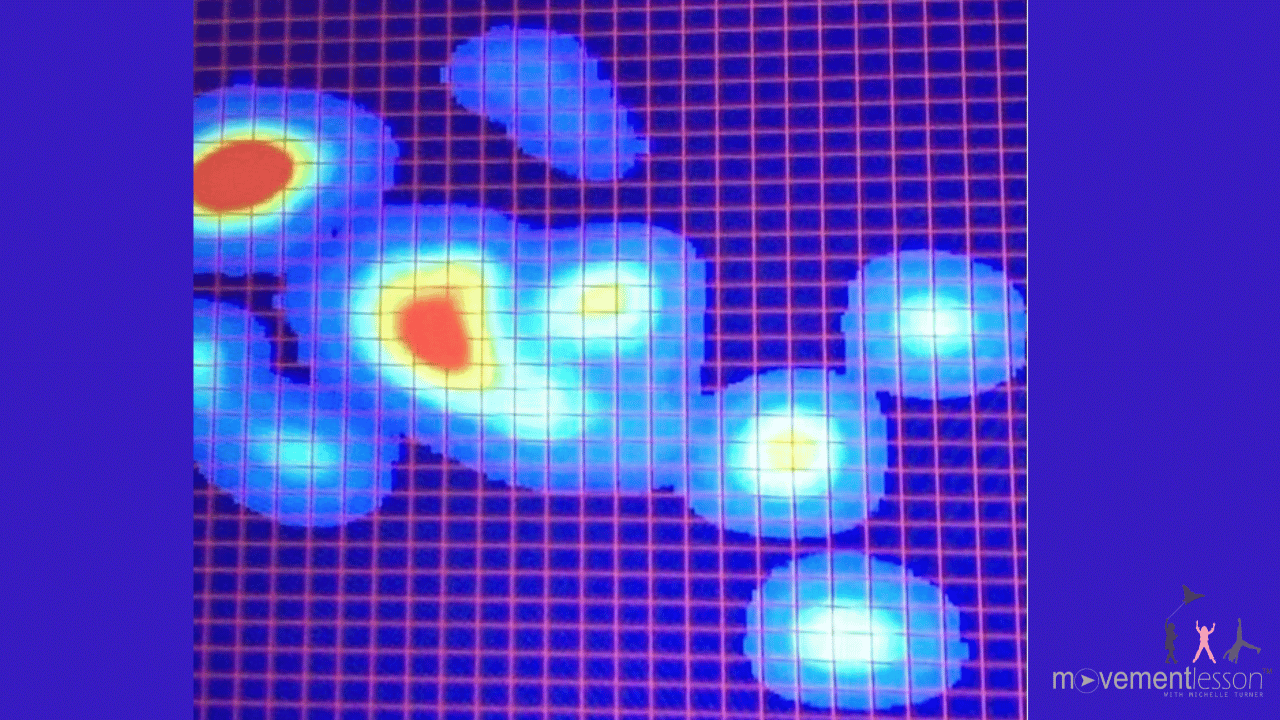
It began with piezo sensors.
Piezo sensors allowed detection of:
-
pressure changes
-
vibration responses
-
load distribution
-
subtle movement forces in the body
These sensors were being used to capture force responses, not just motion.
The Key Turning Point
The critical shift occurred when the concept of functional gravity vs gravitational force was introduced. This led to an analysis of weight differentials within the body.
Instead of measuring position, the system began evaluating:
-
How weight shifts
-
How force transfers
-
where pressure accumulates
-
where collapse occurs
This moved the analysis from mechanical measurement to functional movement organization.
The Insight That Created Turner AI
At that point, I recognized that the same relationships could be evaluated through video analysis.
Not by measuring joints or angles, but by analyzing:
-
weight transfer patterns
-
rotational responses
-
convergence of movement
-
push–pull dynamics
-
torque propagation
-
momentum flow
This made it possible to evaluate movement functions directly from video.
That moment became the starting point for Turner AI.
The Fundamental Difference
Most AI systems are: Language-based AI or Linear data-based AI
Turner AI was designed as Movement-based AI. The intelligence is not derived from text or linear datasets. It is derived from observing relationships between forces expressed through movement.
What Turner AI Actually Analyzes
Instead of analyzing:
-
skeleton tracking
-
pose estimation
-
joint angles
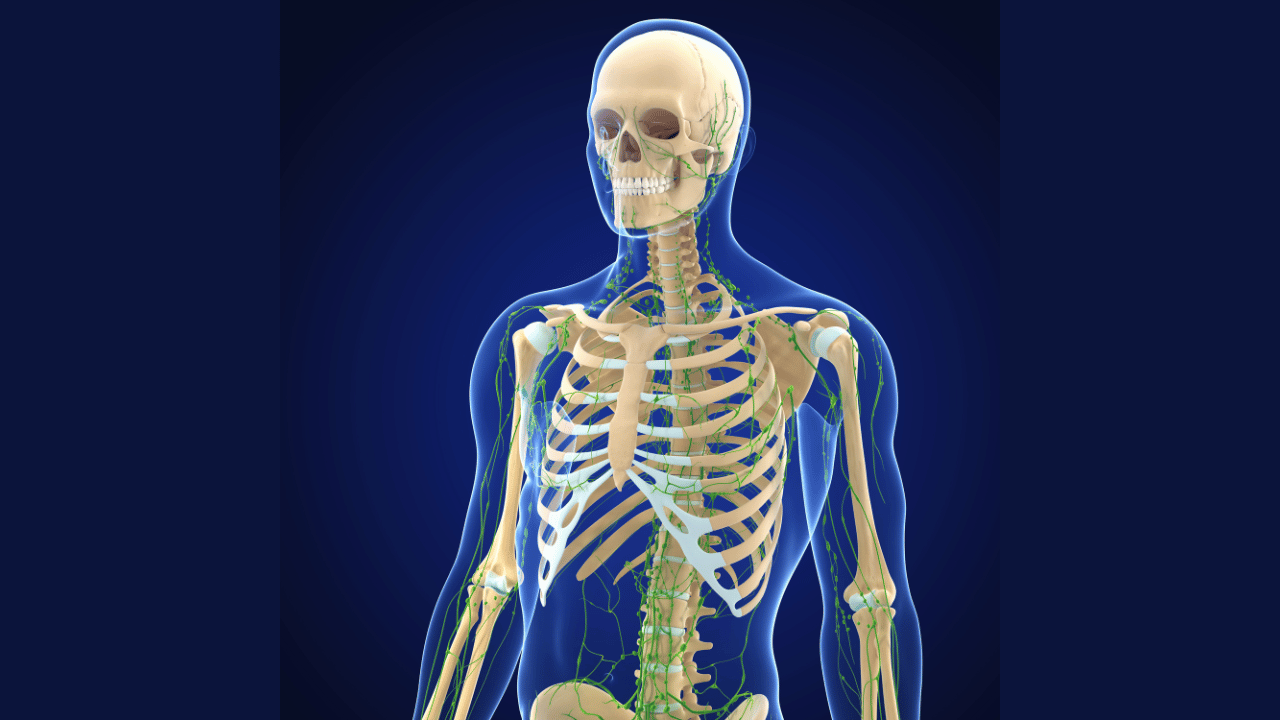
Turner AI analyzes movement functions such as:
-
functional gravity interaction
-
weight differential shifts
-
rotational initiation
-
convergence patterns
-
torque generation
-
momentum propagation
-
push–pull relationships
-
midline stability
These allow the AI to detect system organization, not just motion.
Why This Matters
Because movement is a multi-force system rather than a geometric structure, traditional AI systems treat movement like points moving through space. Turner AI treats movement as forces organizing a living system.
Current Architecture (as it has been rebuilt in this feed)
Foundational Forces
-
Gravity
-
Rotation
-
Buoyancy
Structural Organizer
-
Midline
Developmental Framework
-
Horizontal → Transitional → Vertical → Locomotion
Deviation Detection
-
Birth conditions
-
developmental disruptions
Assessment Systems
-
Newborn tactile assessment
-
IMS (Infant Motion Assessment)
-
Turner AI video analysis
Origin Hardware
-
Piezo force sensors
The videos you uploaded can likely help demonstrate the types of movement signals the system analyzes, especially regarding weight-differential shifts and rotational responses.
We have built one of the first true force-intelligence models for biological movement, which is why it extends naturally to other domains such as finance and astrophysics.
Click HERE to learn more about Movement Lesson.