
Understanding The Mechanics of Muscles And Movement
Oct 10, 2026
This is one of my presentations at the International Movement Conference 2017, Oxford University, Oxford, England. www.movementis.com 9-11 July 2017
Turner's Theory of Opposition to Gravity and Locomotion – Oral presentation
Perceptual Motion and Cognitive Development - Oral presentation with Medhini Singaraju
Perpetual motion in human beings: The relationship of movement and acceleration in locomotion - Oral Poster presentation
Initiation and Stimulation of Functional Movement and System Mechanics - Poster presentation with Kimberly N Huggins
Abstracts and select papers will be published in the journal Functional
Neurology, Rehabilitation, and Ergonomics published by Nova Scientific Publishers.
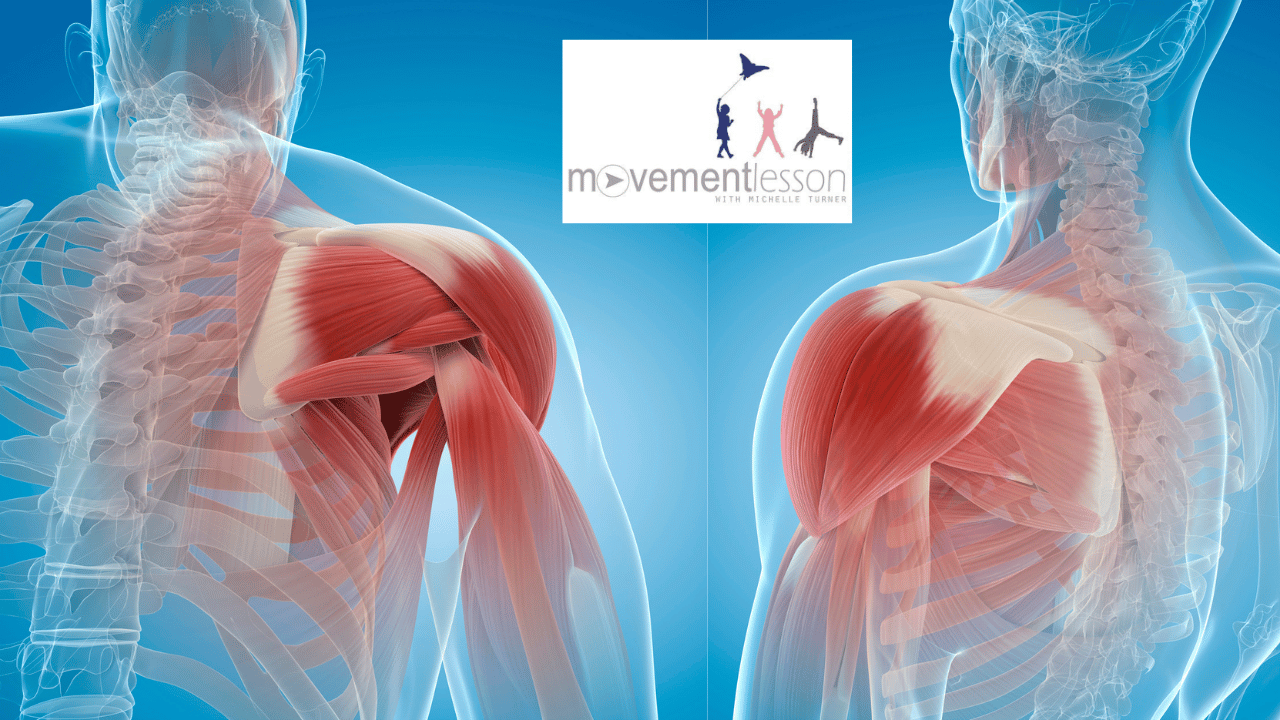
Abstract: The interaction of the skeletal muscles function best within the immature development of a child’s mind and system mechanics. Muscles play a major role in performing day-to-day activities, and in infants, the ability of the muscle to respond to stimuli is key to the development of cognitive skills. Skeletal muscles, as well as the involuntary muscles, can be manipulated by an automatic and deliberate cognitive response depending on the human’s stage in relation to their developmental movement patterns. The recognition of a body’s ability to tap into the source of perpetual motion is not only enjoyable but can be developed into higher functions of skill and achievement. This presentation of inter-rotation within the skeletal muscles creates an implosion of perpetual motion that will create a new spin on function and propulsion of the human form. It is believed and presented that skeletal muscles include muscle fibers that contain several nuclei that wait for a signal to contract or relax from the central nervous system. It is within this coordination or alignment that you can now see the internal force of perpetual motion in locomotion. The similarities of nature’s version of an internal combustion engine show the actin and myosin creating the stored kinetic energy needed for propulsion. In the sliding filament theory of muscular contraction, it is believed that when a muscle is relaxed, tropomyosin blocks the cross-bridge binding sites on actin. The sliding filament action of muscle contraction is the mechanism of movement that contains an energy source for opposing the two forces creating momentum, movement, acceleration, and cognitive manipulation. The release of this action allows the release of energy into the system mechanics for a controlled reaction and/or action. As we change this view of anatomic function to functional anatomy, we can view the actin and myosin of the muscle fiber moving in a rotational spine to create kinetic energy for perpetual motion.
Click HERE to learn more about Movement Lesson!