
Vestibular Creation from Equipment
Feb 14, 2026
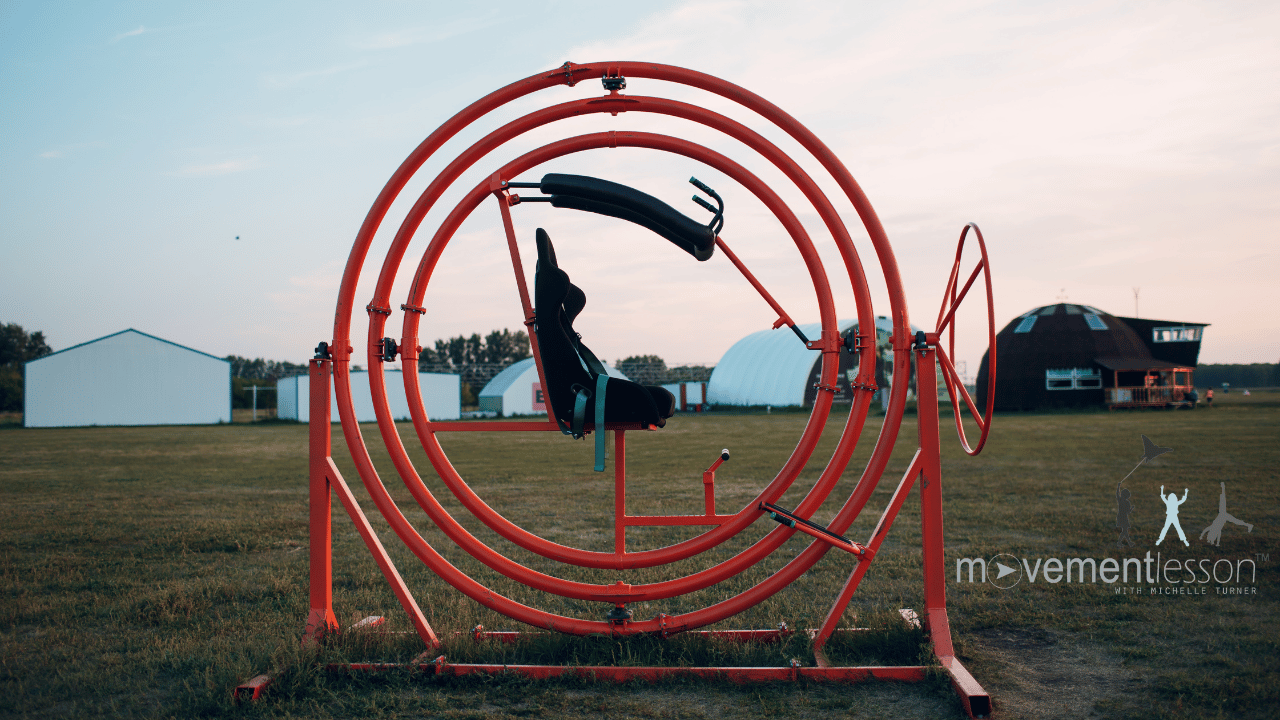
I was just asked about the Multi-Axis Rotational Chair. Here are my thoughts: when there is an impaired vestibular system, you can't create it with equipment.
In many professions, it is commonly stated that the human body's vestibular system is a sensory organ located in the inner ear that helps regulate balance and eye movements. It does so by detecting changes in head position and transmitting signals to the brain.
This theory is then compounded by the idea that an equipment-based external vestibular system can regulate the body's sensory information. Immature advancements of input to add sources from outside of the inner ear, such as the eyes and joints, to contribute to the regulation of balance and coordination.
However, this is not where balance and coordination come from. It is true that when the inner ear is damaged, complications can include vertigo and spatial disorientation. Both systems work together to help us maintain our balance and coordinate our movements, but don't create this vestibular core.
The development of the body's vestibular system involves these important first transitional skills, including:
Absolute Horizon: Your baby needs to experience a form of lying down that initiates the organization of responses to gravity and surrounding pressures. They can be places or stimuli that are neutral, not eliciting a hyper- or hyporesponsive response (i.e., startle or a flop).
Tummy Time: The mucosal system is thinned to maximize surface area within the nasal canal. This gives the body its first form of spatial orientation.
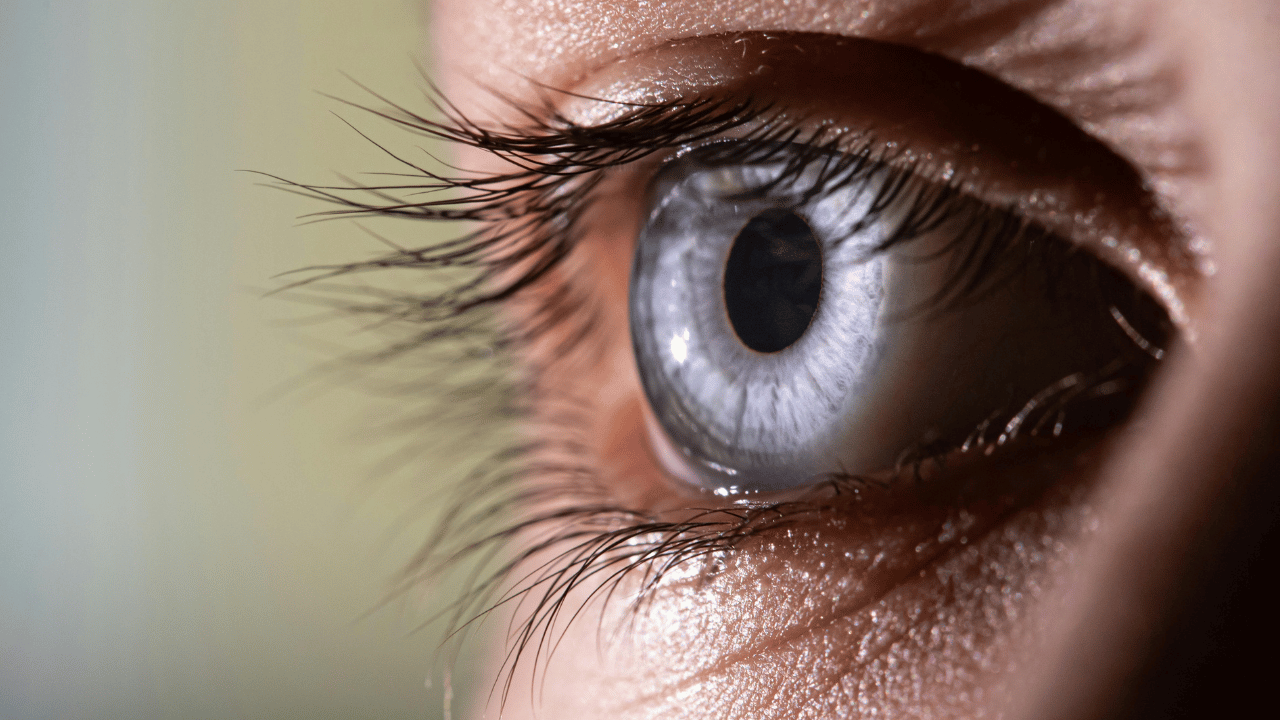
Vision: It is the lack of vision and muscle contractions that allow the eyes to regulate with the rest of the body's vestibular system.
Head control: The development of head control is an early milestone that lays the foundation for later vestibular development. This skill involves stimulating the entire body, via the pelvis and pubic bone, to establish spatial awareness.
Rolling: Rolling over combines the absolute horizon, mucosal movements, vision, and head control to stimulate the vestibular system via low-grade 360-degree weight transfer and transitional movements, thereby moving the body in different directions.
When the body has not established a good foundation or has had trauma in these 5 key vestibular skills, balance and coordination are impaired. The human body requires functional movement to initiate and maintain these skills throughout life. These milestones, among others, are required before the body can replicate these movements using equipment-based stimulation. It's important to note that a body that has not built or regulated a vestibular system will not create or enhance one with equipment-based models. The equipment will perform the actions, but cannot be reproduced without the same equipment. You can't enhance something that has not been established.
A Warning:
When a system, the body, has little to no vestibular responses, then the organization of falling is active. Anybody who needs to prevent a fall will deviate from all milestones and actions. Placing a body, with little to no vestibular system, in equipment-based models will enhance the equipment's ability to prevent action and fall rather than enhance the body's interaction with movement. Actions that include tumbling occur after all developmental milestones have been achieved and your child has entered their spinning milestones, from ages 2.5 to 5 years. More mature actions of lift and tumble contribute to the development of spinning milestones, including lift response, and typically occur after around age 8, but most people do not accomplish these actions.
For development, you must input functional movements for the body's cognitive system to create milestone momentum. This needs to include opposing gravity through rotational responses. The act of strapping into a system already impairs vestibular function before the action begins. Therefore, no cognitive learning can occur. Just because something looks fun doesn't mean we are learning from it.
Click HERE to help your child today with Movement Lesson - this is the place to learn where movement comes from.