
Walking Milestones: Why Standing Transitions Matter
Walking Is Not a Skill: Why Getting In and Out of Standing Matters More Than You Think
Most parents celebrate a child's first steps.
And they should.
Walking is one of the most exciting milestones in early development.
But what if I told you that walking itself is not actually the milestone?
Walking is the result of many developmental systems organizing together over time.
In other words:
Walking is not taught. Walking emerges.
The Biggest Misunderstanding About Walking
Many people view walking as a skill that simply appears around 12 months of age.
A child stands up.
A child takes a few steps.
A child walks.
Simple, right?
Not exactly.
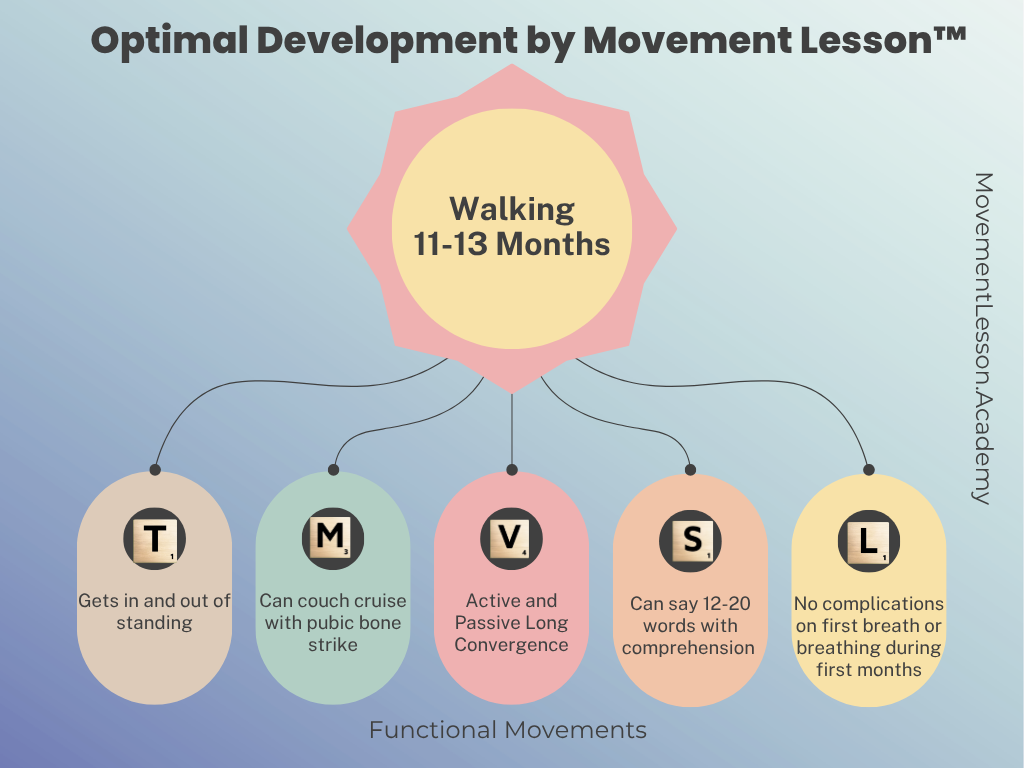
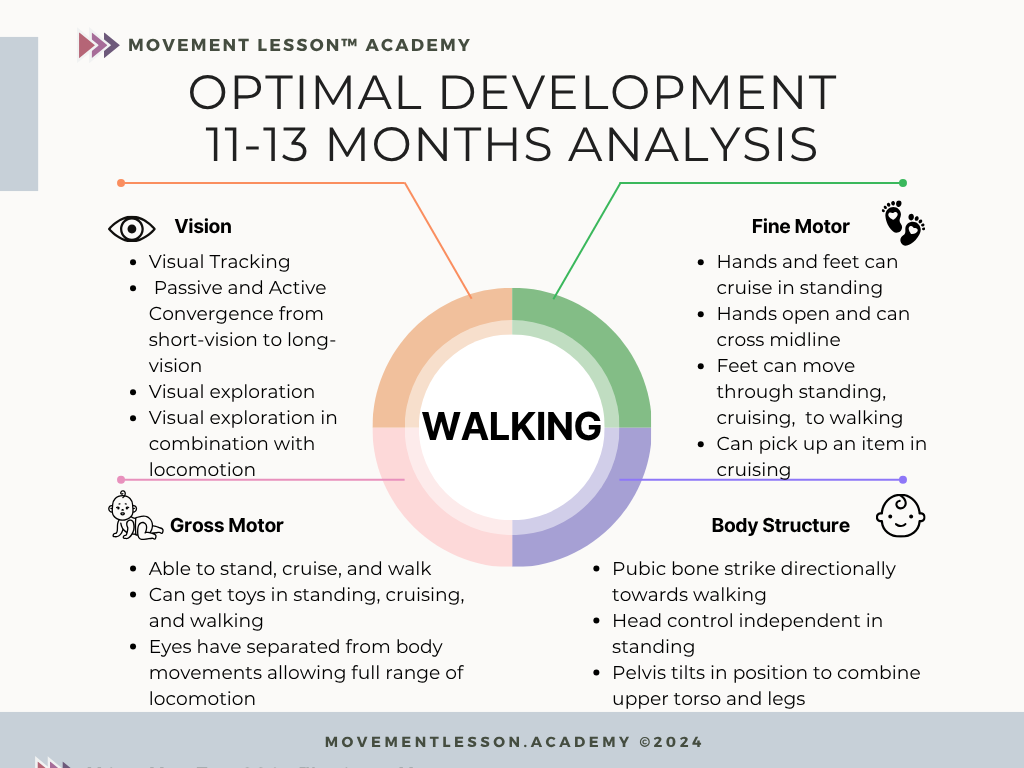
Walking is one of the most complex movement achievements in early childhood because it requires the successful integration of:
-
Gravity
-
Vision
-
Balance
-
Weight transfer
-
Midline organization
-
Rotational movement
-
Transitional skills
-
Locomotion
When these systems work together, walking becomes possible.
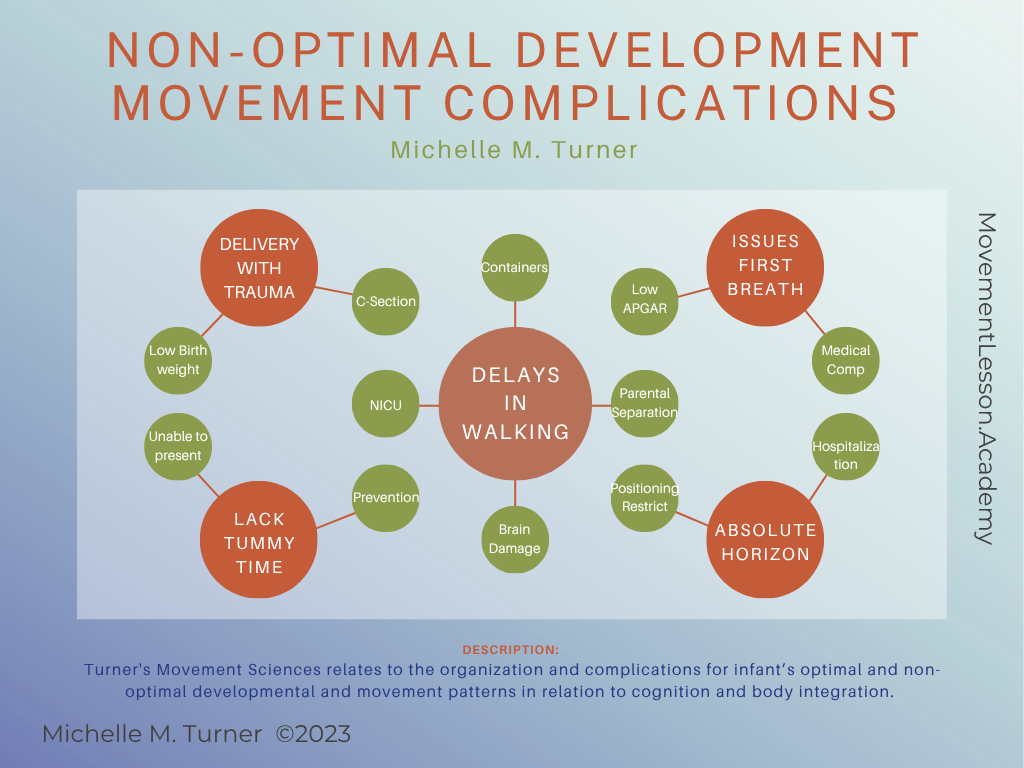
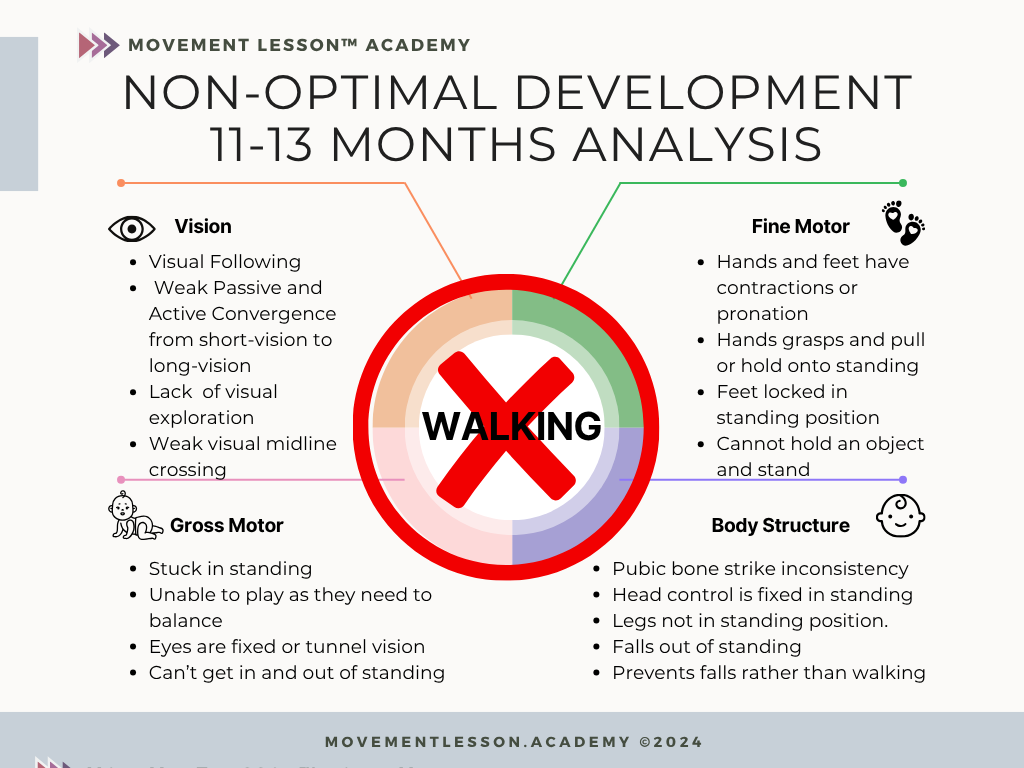
When one or more of these systems are missing, walking may be delayed, inefficient, or compensated.
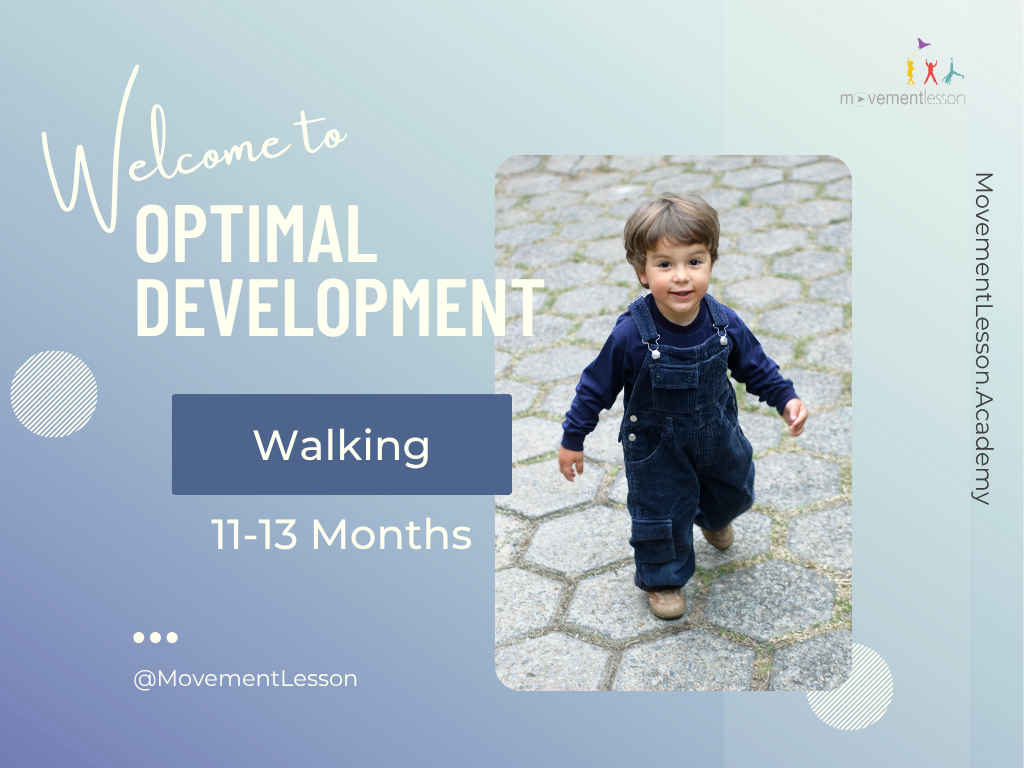
The Ultimate Transitional Skill
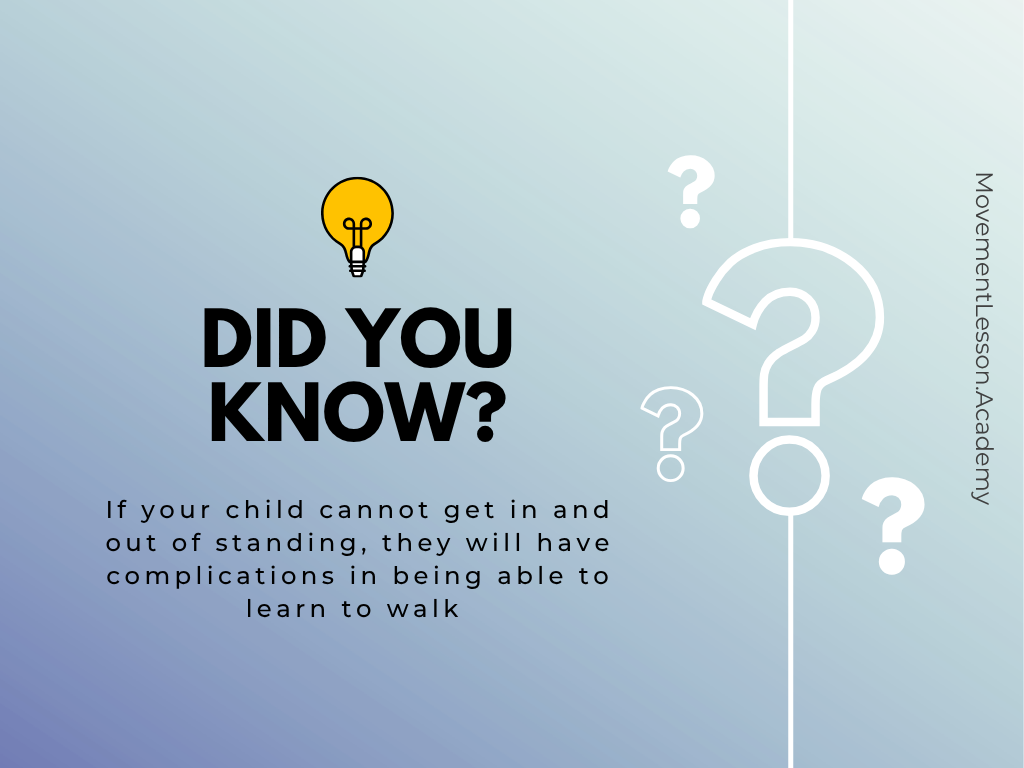
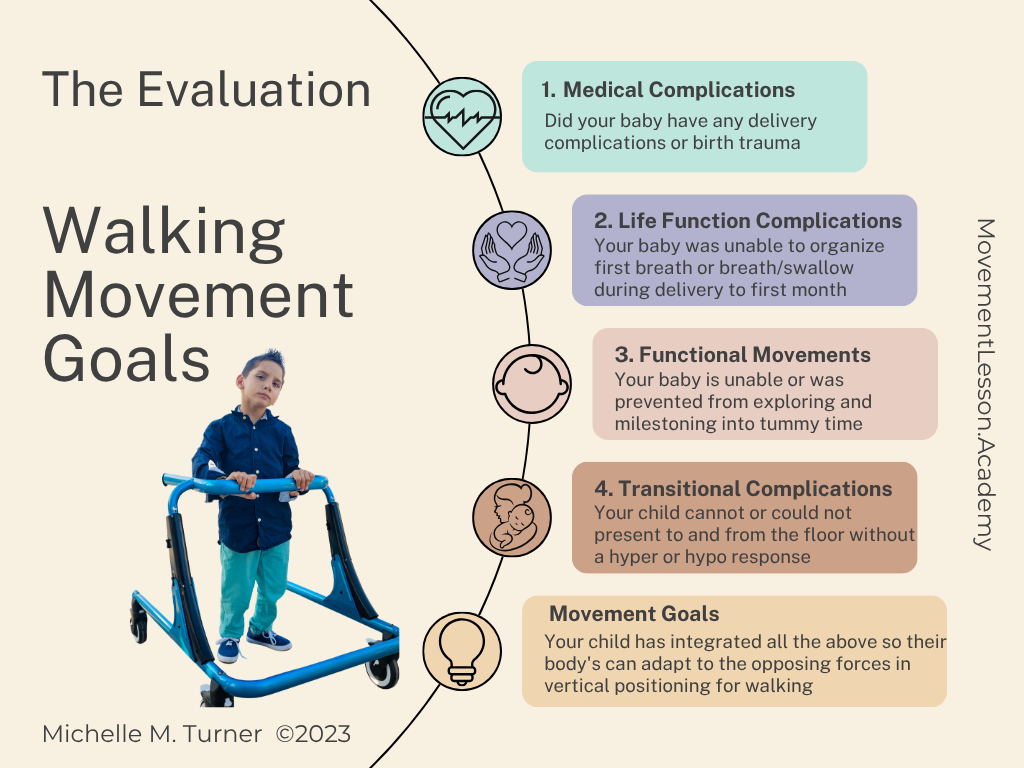
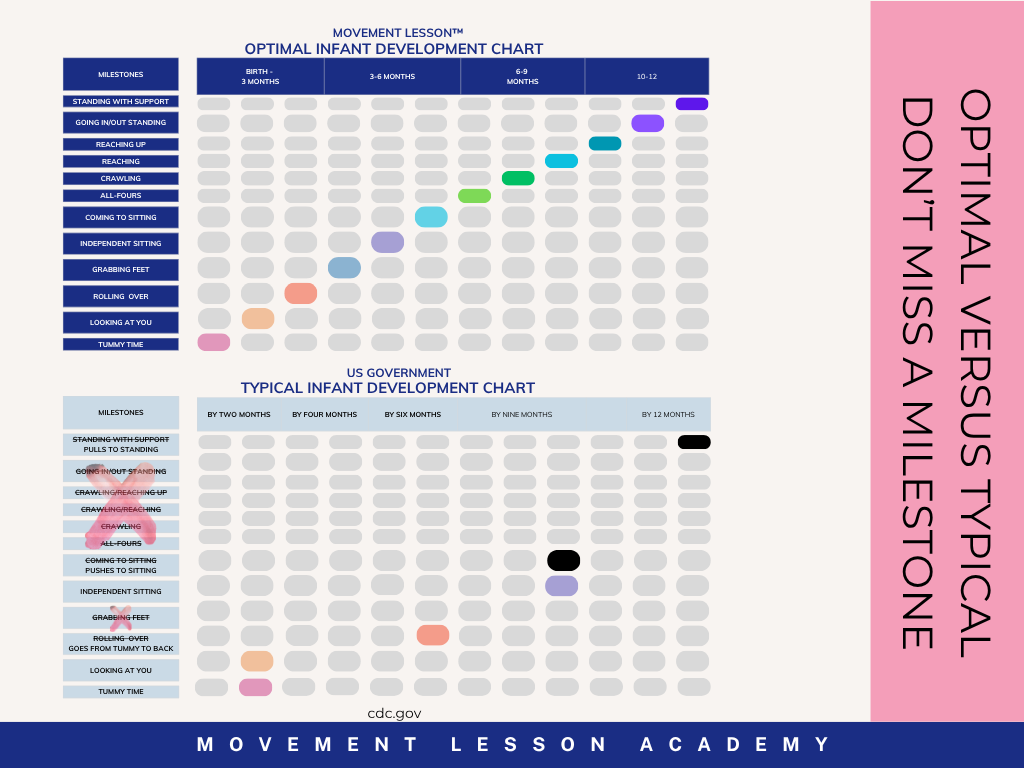
One of the most overlooked abilities in development is a child's capacity to get in and out of standing.
Parents often focus on whether a child can stand.
But the real question is:
Can they transition into standing and back out of standing independently and efficiently?
A child who can only maintain standing but cannot move fluidly in and out of the position is often relying on compensation rather than organization.
Development is built through transitions.
Every milestone is simply a transition between two positions.
Rolling is a transition.
Sitting is a transition.
Crawling is a transition.
Standing is a transition.
Walking is a transition repeated over and over again.
Without transitional skills, movement becomes effortful.
With transitional skills, movement becomes functional.
Walking Is Really About Weight Transfer
Every step a child takes requires a controlled shift of weight from one side of the body to the other.
This is known as weight transfer.
Before walking emerges, children spend months learning how to:
-
Shift weight onto one arm
-
Shift weight onto one hip
-
Rotate through the trunk
-
Transfer weight during crawling
-
Transfer weight while pulling to stand
-
Transfer weight while cruising along furniture
These experiences teach the body how to manage gravity.
Without weight transfer, there is no walking.
There is only falling and catching.
Why Midline Matters
Walking also depends on a child's ability to organize around their midline.
Midline is what allows the left and right sides of the body to work together.
A child who struggles with midline organization may:
-
Avoid crossing the body
-
Use one side more than the other
-
Have difficulty with balance
-
Struggle with transitions
-
Appear clumsy or unstable
Walking requires constant communication between both sides of the body.
Every step is a coordinated conversation between left and right.
Vision Drives Movement
Many people think of walking as a leg skill.
It isn't.
Walking is largely guided by vision.
A child must be able to:
-
Visually track their environment
-
Explore space
-
Judge distance
-
Organize around gravity
-
Coordinate movement with visual information
Vision tells the body where it wants to go.
Movement is simply the body's response.
When vision and movement develop together, locomotion becomes efficient.
Walking Is an Emergent Property
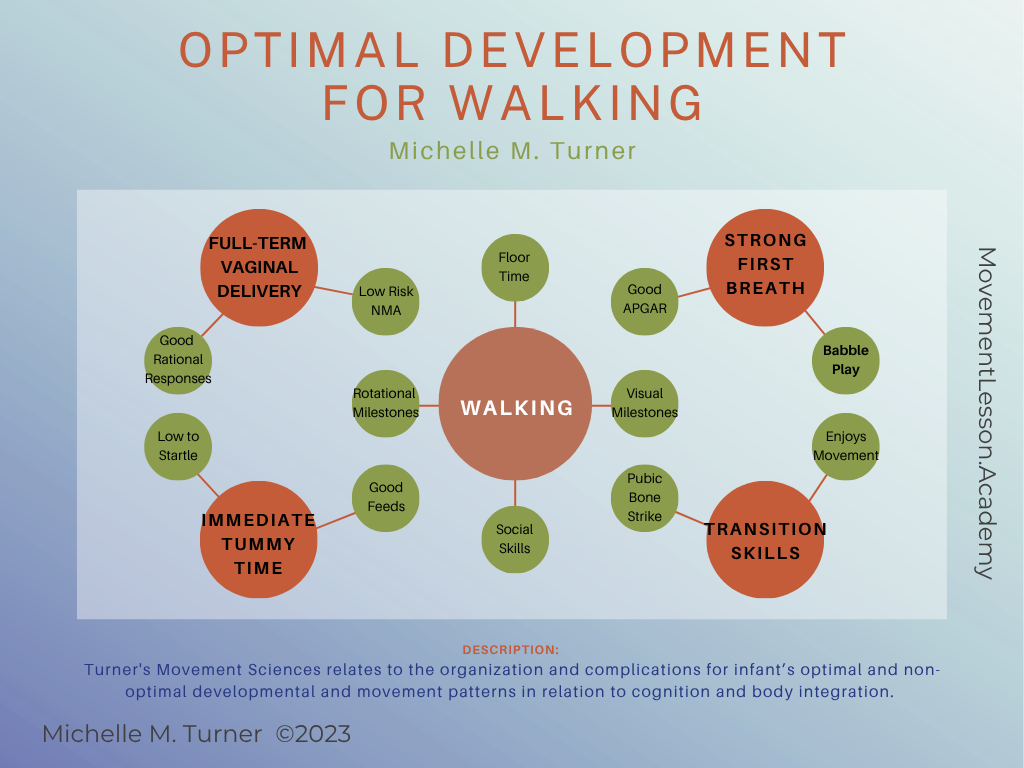
In Movement Lesson™, we do not look at walking as a single milestone.
We look at the systems that create walking.
Walking is an emergent property of an organized developmental system.
Just as intelligence emerges from organized neural networks, walking emerges from organized movement experiences.
You don't teach walking.
You organize:
-
Gravity
-
Midline
-
Weight transfer
-
Vision
-
Rotational movement
-
Transitional skills
-
Locomotion
When these pieces come together, walking emerges naturally.
What Should Parents Watch For?
If your child is approaching walking age, ask yourself:
-
Can my child get in and out of standing independently?
-
Can they transition between positions easily?
-
Do they shift weight comfortably from side to side?
-
Do they rotate through their trunk?
-
Do they explore their environment visually?
-
Can they move without excessive effort?
These questions often provide more information than simply asking whether a child is walking yet.
The Takeaway
The first step is not the beginning of walking.
It is the visible outcome of months of organization happening beneath the surface.
Walking is not a skill to be forced.
Walking is not a muscle-strength problem.
Walking is not simply standing upright.
Walking is the result of a body that has learned how to organize itself around gravity, movement, and exploration.
When we focus on the system instead of the milestone, development becomes easier to understand.
Because in the end:
You don't teach walking.
You organize the system.
Walking emerges.
Michelle M. Turner
Movement Lesson™ Academy
"The greatest gift you can give someone is movement."